Space mutagenesis
Chang’e-5 deep-space flight provided a unique mutagenic environment. Returned seeds were propagated into the SP3 population and screened for agronomic, grain-quality, and stress-tolerance variation.
XRICE · Our team
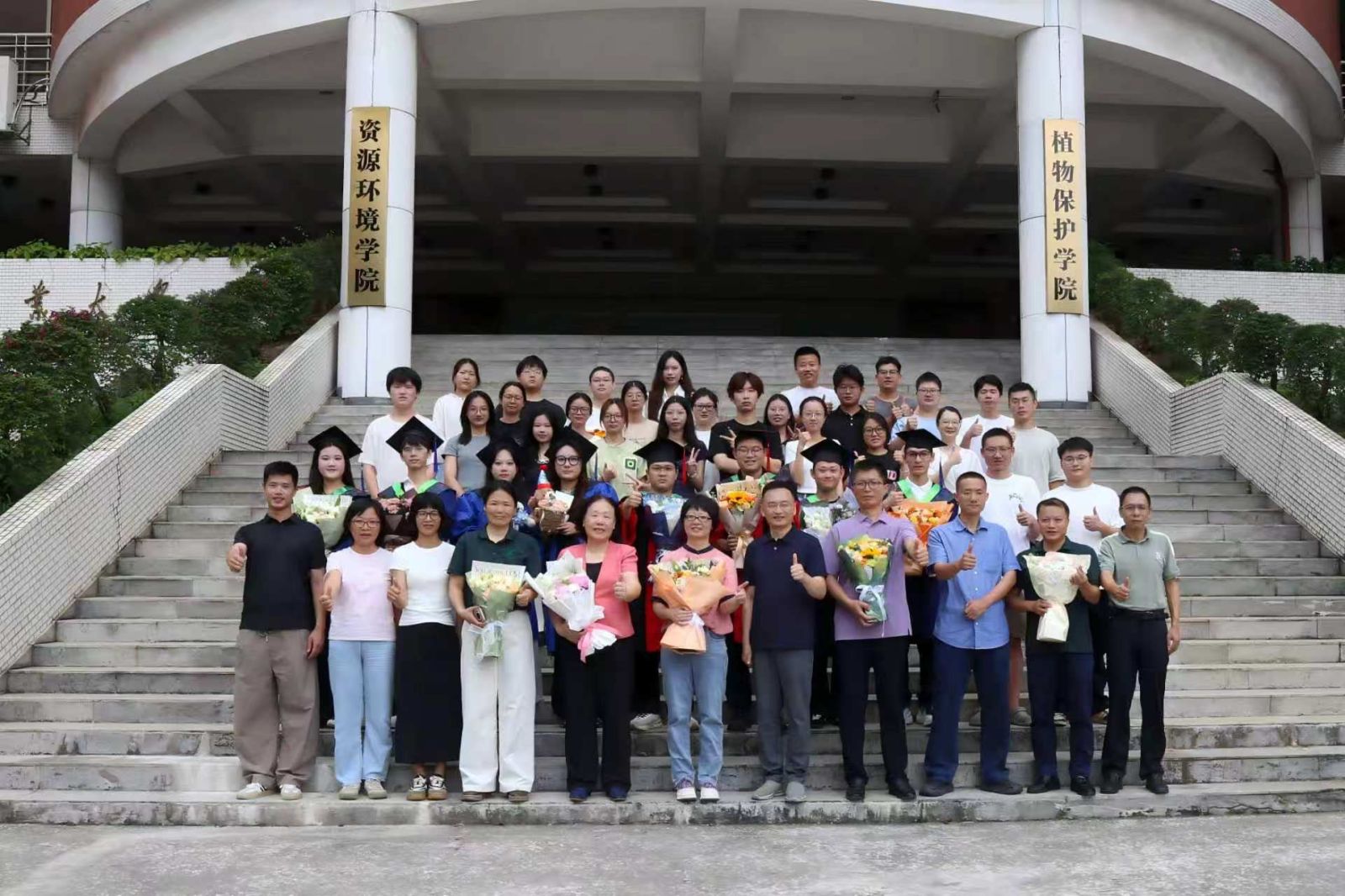
XRICE is developed by the rice spaceflight breeding team at South China Agricultural University. The programme links Chang’e-5 deep-space flight materials, multiomics analysis, and field breeding to build a shared genomic and phenotypic resource for rice improvement.
Who we are
The team works on rice mutation breeding, space mutagenesis, and the molecular dissection of agronomic traits. Seeds carried by the Chang’e-5 return capsule were propagated and characterised, forming the SP3 descendant materials now documented in XRICE.
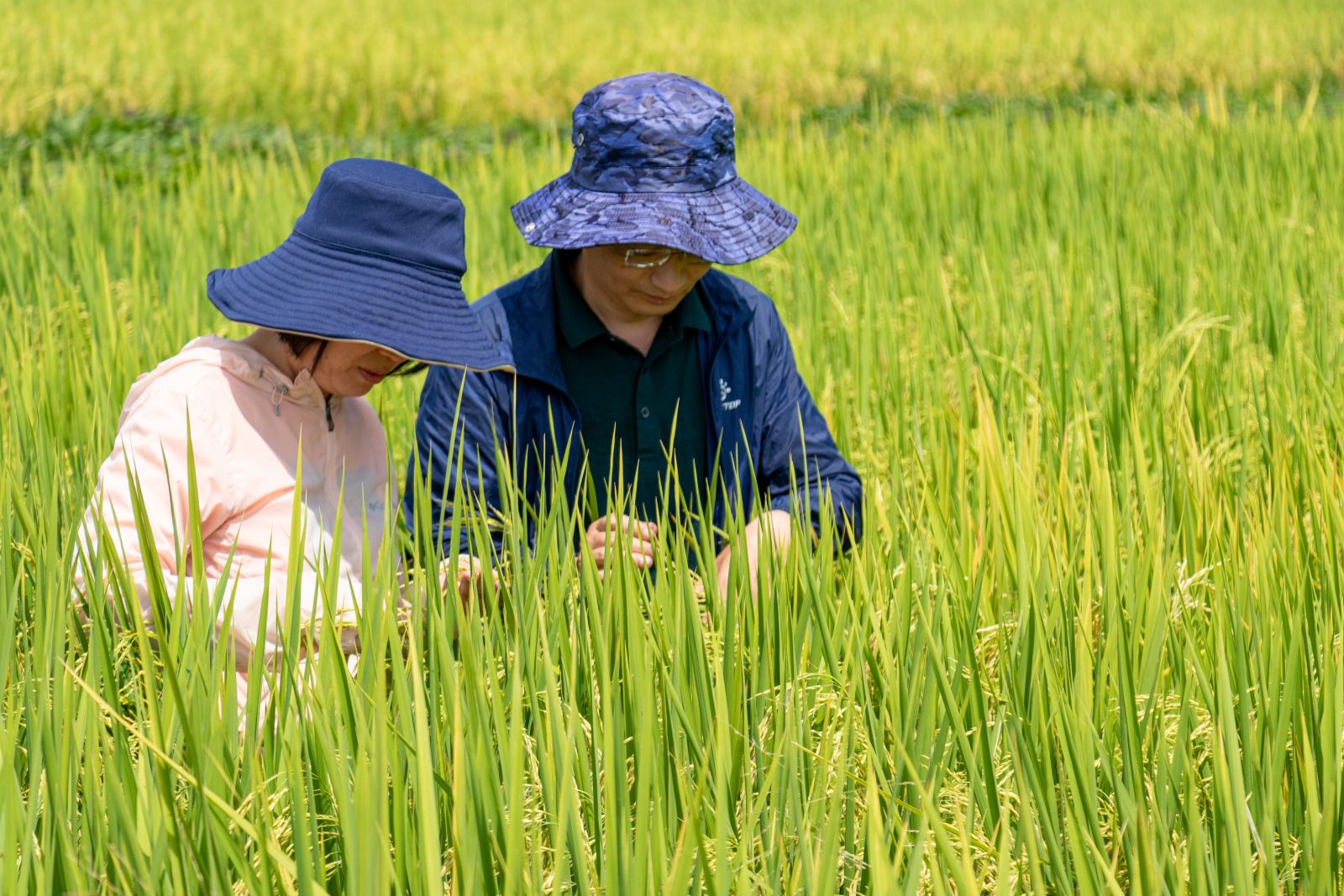
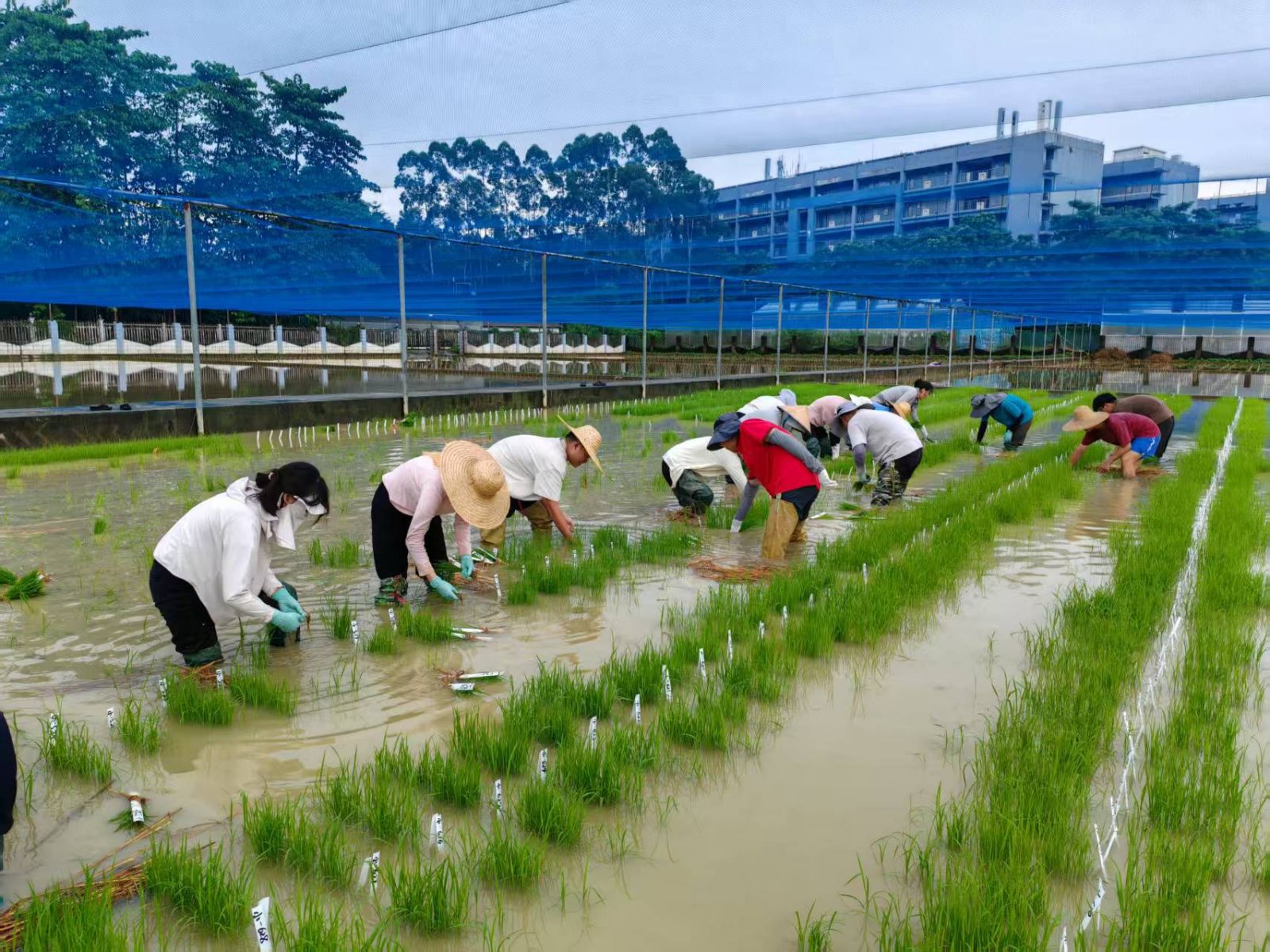
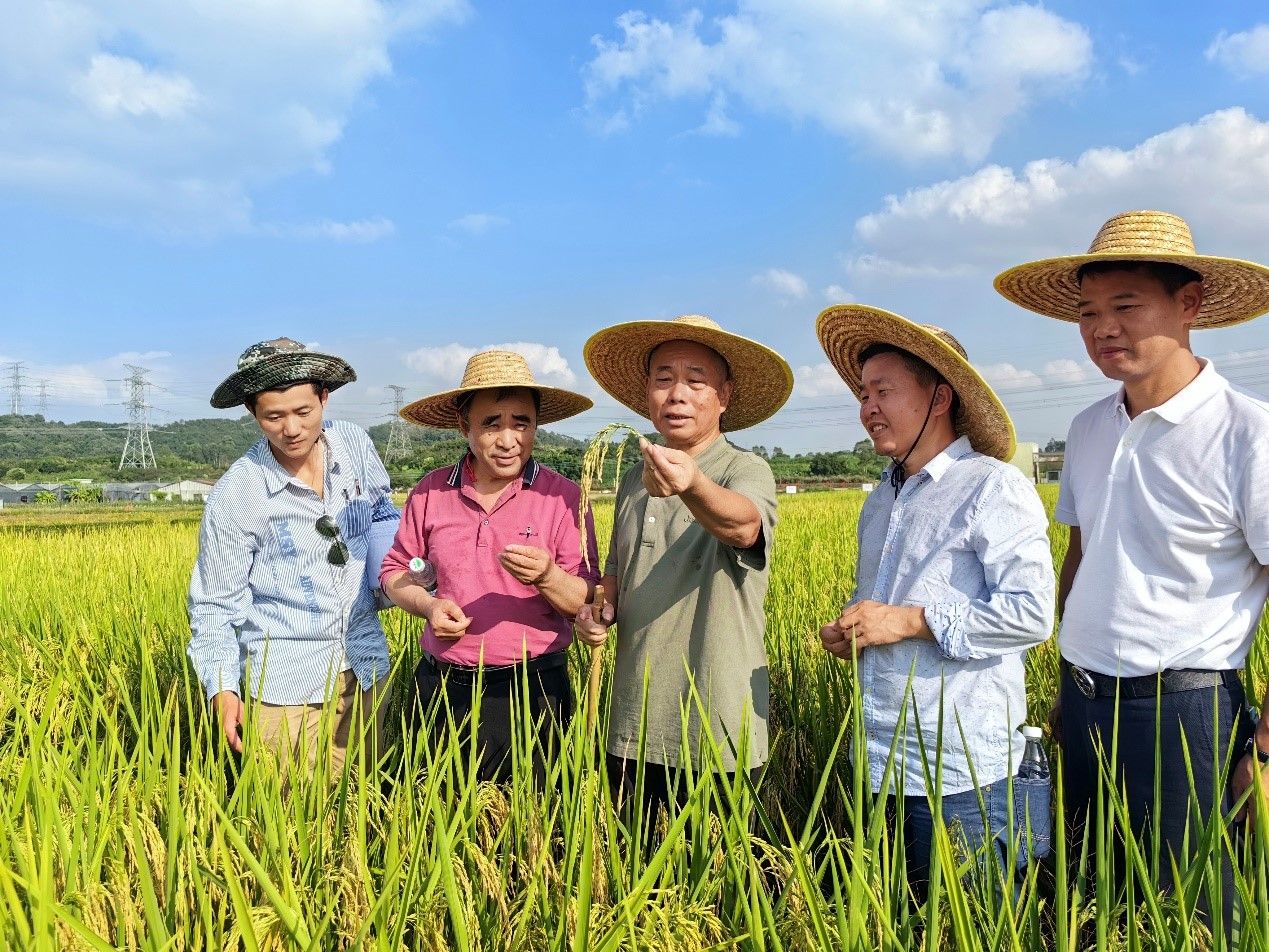
Our work combines field evaluation, whole-genome sequencing, transcriptomics, and single-cell analysis. The aim is to connect induced variation with observable traits, accelerate homozygosity, and identify alleles that can be used in breeding programmes.
XRICE is the data-facing part of this programme: it integrates germplasm, phenotype records, and genomic variation so that researchers and breeders can compare materials, inspect candidate variants, and prioritise lines for further study.
What we do
Chang’e-5 deep-space flight provided a unique mutagenic environment. Returned seeds were propagated into the SP3 population and screened for agronomic, grain-quality, and stress-tolerance variation.
Genome, transcriptome, and single-cell data are used together to characterise mutation landscapes and the molecular responses associated with spaceflight exposure.
The saturation programme aims to cover every exon and reach more than 80% genome coverage, supporting haplotype marker discovery, targeted genotyping, and allele pyramiding.
Contact
South China Agricultural University · 483 Wushan Road, Tianhe District, Guangzhou, China
Contact details for data requests and collaboration are being confirmed and will be added here.